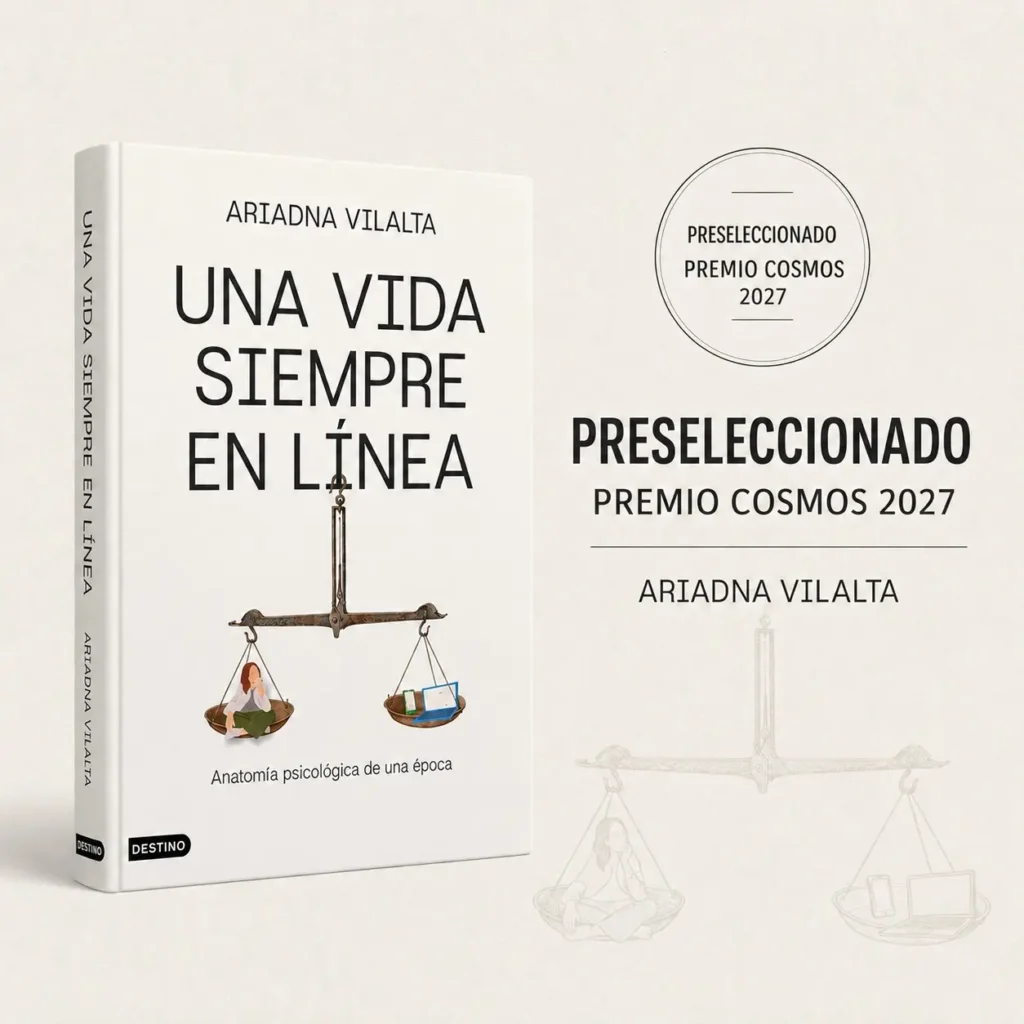
And the trend is consistent.
Many parents and teachers comment on how all young people today seem the same.
When we look back, were we really so different?
In social psychology, we know that the need for belonging and the need for differentiation coexist in constant tension.
Before, “being different” meant taking real risks: dressing uniquely, listening to music few knew, defending uncomfortable ideas. These were choices that could isolate you… but they also defined you.
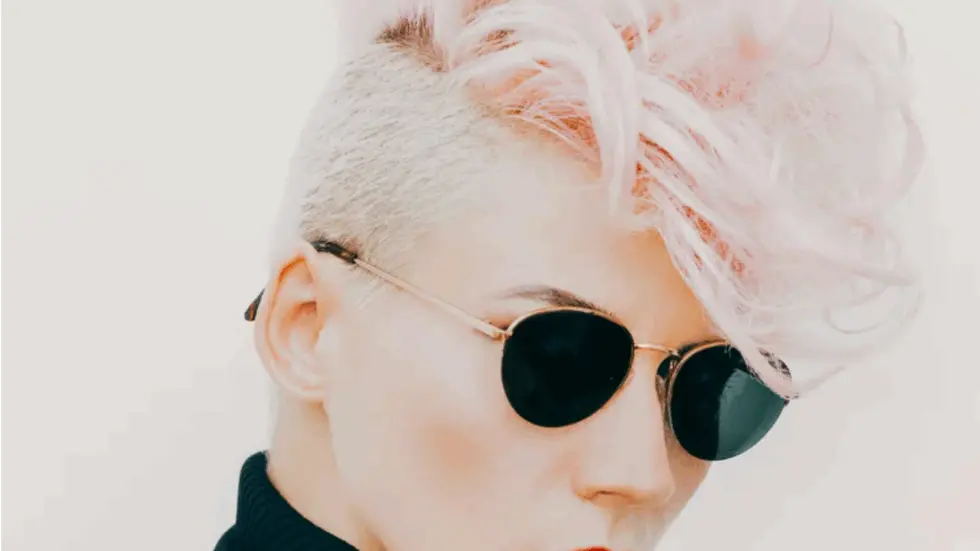
In previous generations, individuality was proudly displayed, even if it meant going against the grain. Clothes, hair, the way you spoke—everything was a personal statement. And it wasn’t so easy to find “your kind,” so that different trait was worn like a flag.
Today, curiously, difference has become standardized. The alternative is mass-produced, the “unique” is mass-produced on Instagram and TikTok. We dress similarly even when we think we’re breaking the mold. Aesthetic diversity becomes a trend, and the trend… a uniform.
Is it just nostalgia to think that there used to be more courage in showing what was different?
Or are we experiencing a homogenization disguised as creative freedom?
Psychology reminds us that adapting is human, but perhaps the question is:
Are we adapting… or dissolving?
Follow us for more to come 🙂