
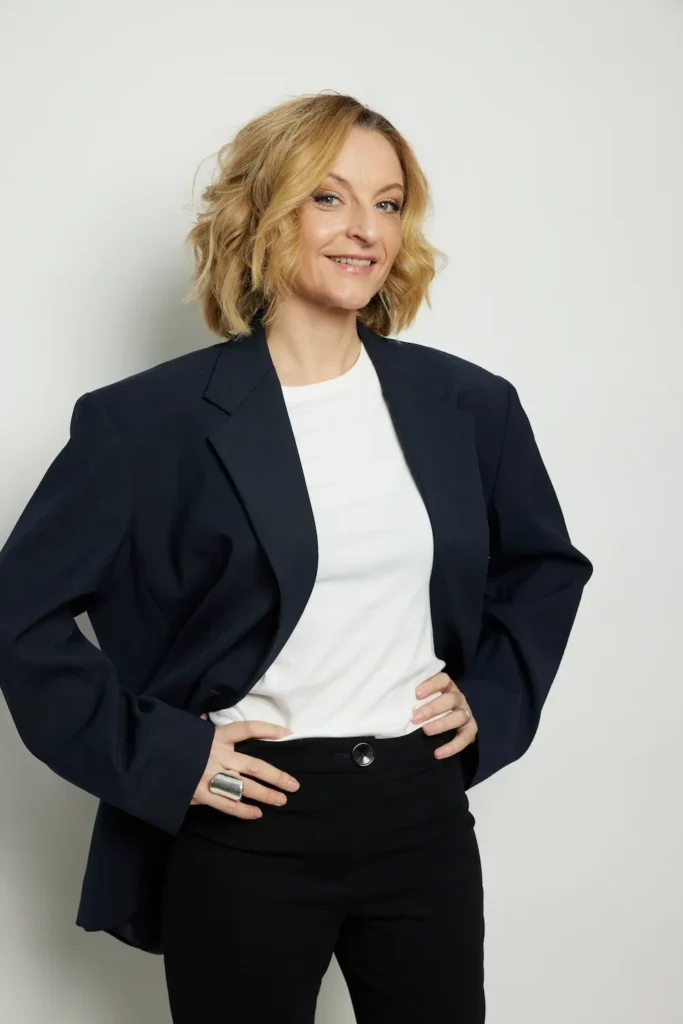
ARIADNA VILALTA
International expert in cyberpsychology
Most cyberpsychologists emphasize that there is no such thing as a “typical day,” given the breakneck pace of the field. We often work remotely using a computer, but we also spend a lot of time “interacting with strangers”: interviewing research participants or networking with professionals from different fields to stay up-to-date on technological advancements.
As a cyberpsychologist specializing in translating neurotechnology into the language of mental health, ethics, identity, and rights, I focus on five pillars:
- The human mind must be protected as an inviolable space.
- Not everything that is technically possible is psychologically acceptable.
- Neurotechnology is not just medicine; it is also power, markets, and control.
- We need neurorights before we can normalize brain data extraction.
- Cyberpsychology must lead the debate because this is not just about engineering, but about identity, autonomy, and mental health.
My work focuses on communicating, being the voice that translates neurotechnology into the language of mental health, ethics, identity, and rights.
Conferences, talks and training sessions:
- Neurotechnology and mental privacy: who enters our minds today
- Neurorights: the new human rights in the age of the connected brain
- From algorithm to brain: the new frontier of manipulation
- Mental health, AI and neurotechnology: clinical promise or colonization of the mind
- Childhood, attention and the digital brain: what we shouldn't normalize
- The future of cognitive work: brain surveillance and corporate well-being
- Freedom of thought: why we must protect the human mind now